


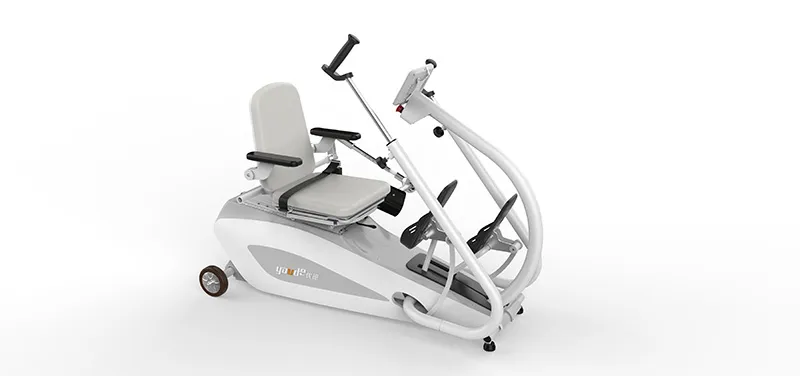
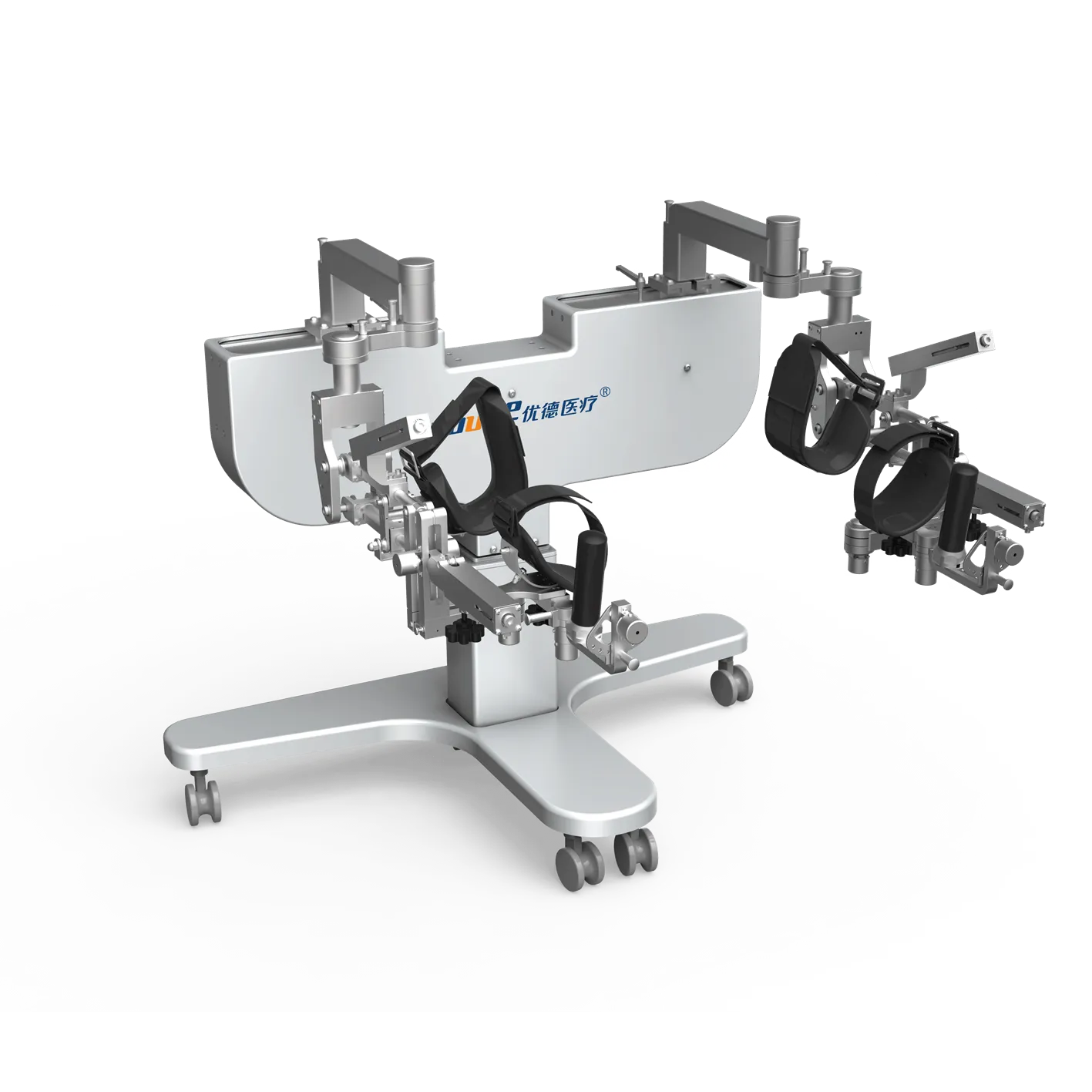
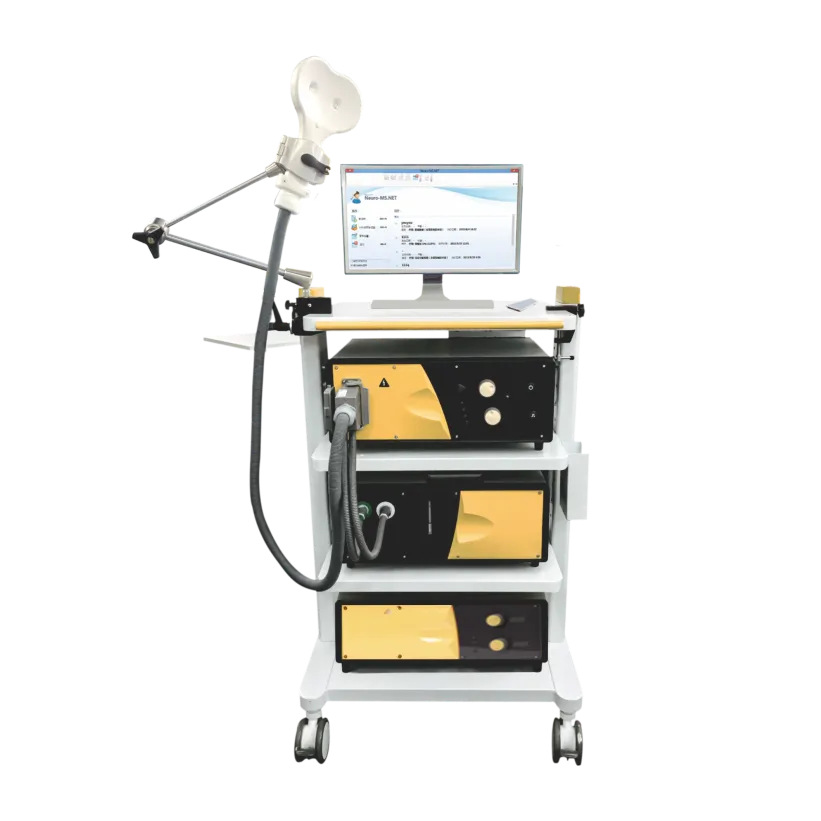

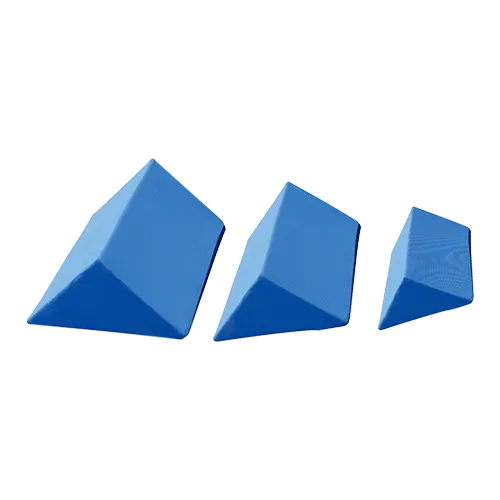


For neurological diseases such as stroke, spinal cord injury, and Parkinson's disease, through multimodal assessment and functional training (motor/cognitive/speech), combined with neuroplasticity techniques such as repetitive transcranial magnetic stimulation (rTMS) and virtual reality (VR), to improve functional impairment and enhance patients' independence in daily living.

For chronic musculoskeletal pain, neuropathic pain, etc., using multimodal analgesic protocols (radiofrequency ablation/extracorporeal shockwave/manual release, TECAR therapy), combined with pain education and psychological intervention, to break the vicious cycle of "pain-functional impairment" and restore normal physical activity capacity.

Focusing on post-fracture surgery, joint replacement, sports injuries, etc., with biomechanical correction as the core, through physical factor therapy (cold/hot therapy/electrical stimulation), traditional Chinese medicine treatment, progressive muscle strength training and joint range of motion recovery, fascial compression and other techniques, to prevent complications and accelerate bone healing and functional reconstruction.

Integrating meridian differentiation with modern rehabilitation techniques, using acupuncture, moxibustion, herbal fumigation, etc., to regulate qi and blood balance, improve stroke sequelae, chronic pain, and sub-health conditions, emphasizing "preventive treatment of disease" and overall functional compensation.

For cerebral palsy, autism spectrum disorder, developmental delay, scoliosis, learning and attention disorders, etc., early intervention strategies are adopted, integrating sensory integration training, speech-language therapy, and applied behavior analysis (ABA), combined with traditional Chinese medicine therapies and family rehabilitation guidance, to promote the development of children's motor, cognitive, and social abilities.

For postpartum and adult women with pelvic floor muscle dysfunction, diastasis recti, etc., through MST, biofeedback electrical stimulation, core muscle stability training, and pelvic dynamic correction techniques, it repairs pregnancy damage, prevents long-term pelvic floor diseases, and restores women's healthy functions.

Based on cardiopulmonary exercise testing (CPET), individualized prescriptions are developed, covering aerobic endurance training, respiratory muscle resistance training, and oxygen therapy management. Combined with nutritional support based on physical constitution analysis, it improves cardiopulmonary functional reserve in patients with COPD, heart failure, cerebrovascular accidents, obesity, suboptimal health, etc., and reduces the risk of rehospitalization.
 U-Way Medical Official Account